


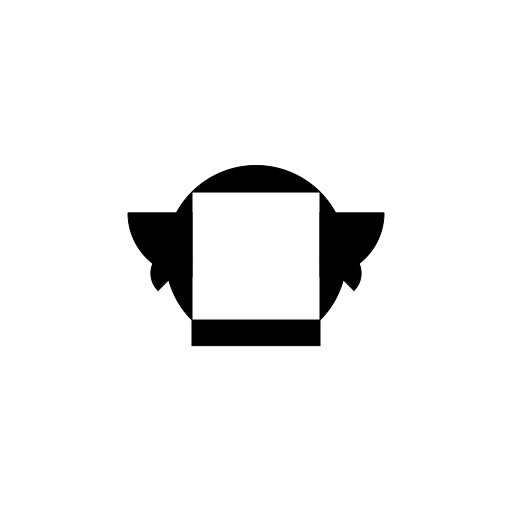
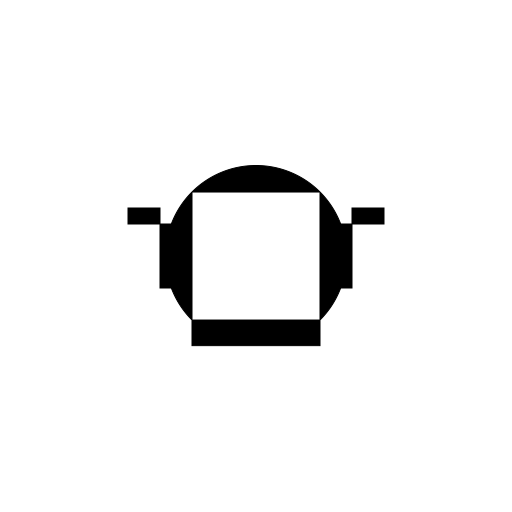
Samples of the provided design guidelines with initial helmet designs.


With the designs and initial variations provided, we were responsible for systematizing these early concepts into a design system that could be generated algorithmically.


In collaboration with Pentagram’s Natasha Jen, we built a tool that can create an infinite number of avatars based on the identity for Galaxy, a digital asset and blockchain company.
As part of Galaxy’s new identity designed by Pentagram, we were approached to systemize the workflow for building avatars in the form of a web-based tool. These avatars would be an extension of the company’s new logo, featuring a helmet drawn with simple geometric shapes. By stacking smaller shapes on top of larger shapes in key spots, an infinite amount of variations can be generated.
The task was therefore twofold: creating a custom tool to algorithmically generate avatars based on early designs while also fool-proofing the workflow to achieve a specific aesthetic at every generation.
The initial exploration phase began with drawing basic shapes that followed an established grid, shape variations and sizing. Algorithms were devised to attach shapes to one another through mechanisms aligned with the objective designs of the larger identity. Early explorations and reviews with the Pentagram team, resulted in us reproducing a proper step by step generation algorithm that also takes randomization into account.
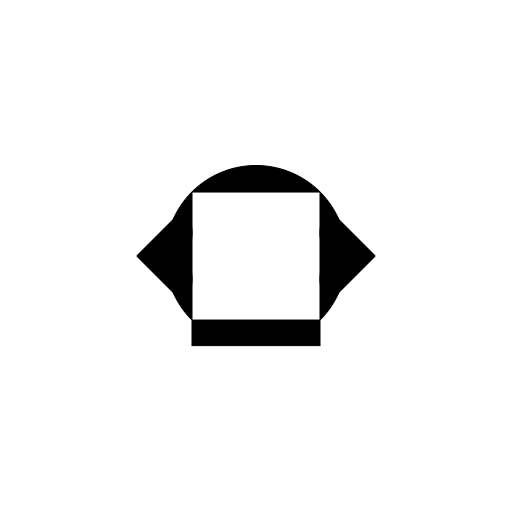
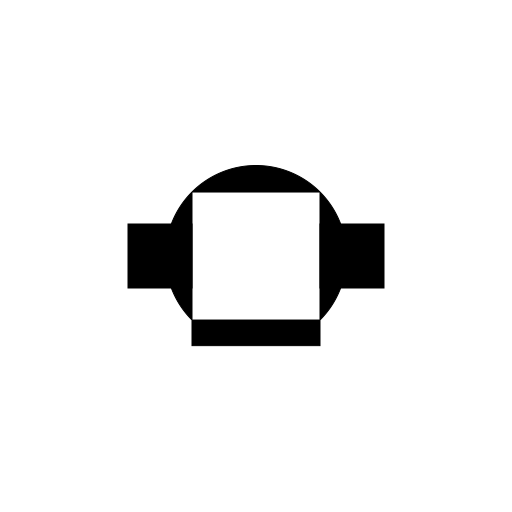
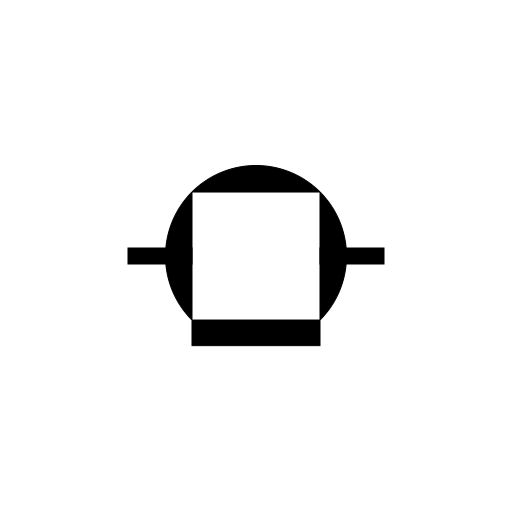

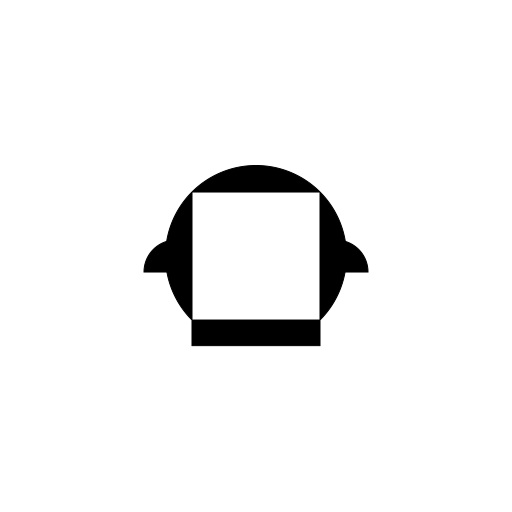
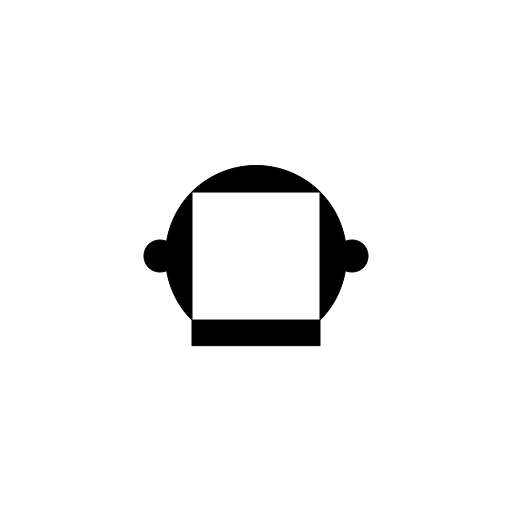
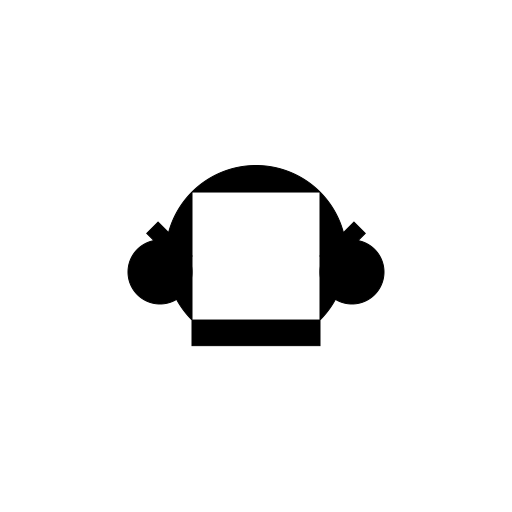


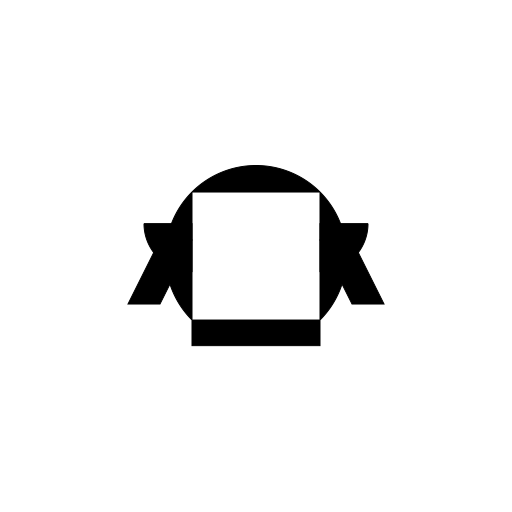

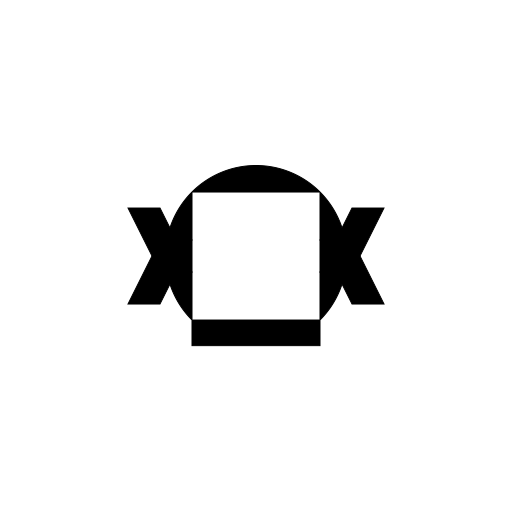
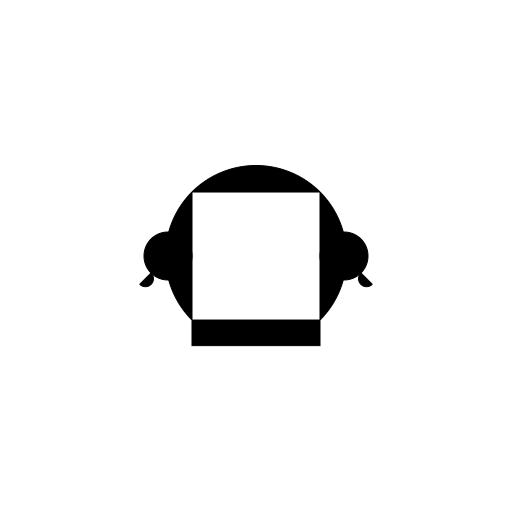
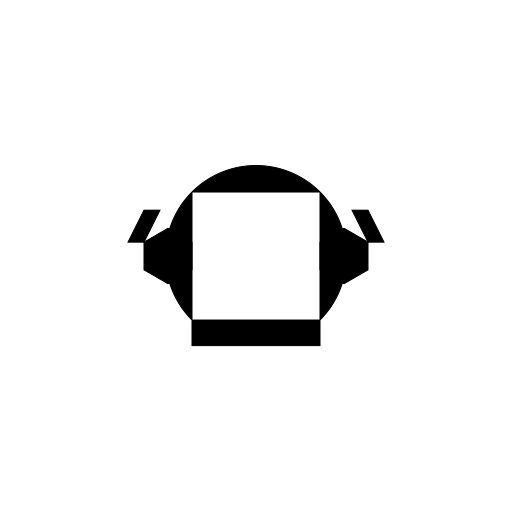
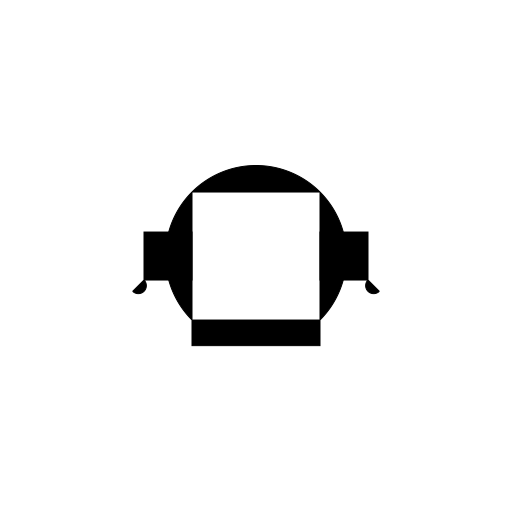
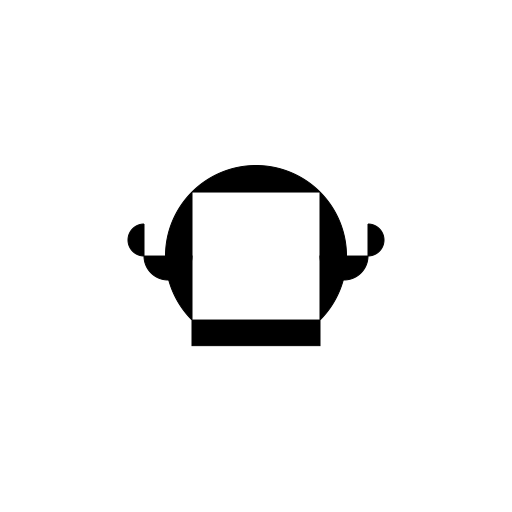
Because of the nuanced details we discovered in the initial phase, our first approach to building the design tool was to provide many options to the user.
Although the interface of the initial prototype worked well and allowed us to test every detail of the generative approach1, it allowed too much control for the type of end-user it was built for. For the final prototype, we reduced the amount of control and ported most of the randomization from the user interface to the backend of the tool itself. The final interface is one where helmet sections can be added independently, generated and swapped independently, and different patterns will arise on their own if possible.
The final design tool is a simple and straight-forward experience where much of the magic is hidden below the surface. Wrapped up in a Galaxy-branded interface, it’s a manifestation of the idea that custom design tools can streamline complex design workflows that would otherwise take a long time to do by hand.


